


    Managing your money isn't about being perfect.

    It's about making informed decisions that help you feel more confident and in control of your finances.

    Whether you're creating your first budget, building an emergency fund, stretching your grocery budget, or planning for retirement, the choices you make every day can have a lasting impact on your financial well-being.

    The topics in this section explore the habits, strategies, and mindset shifts that can help you manage your money more effectively and work toward your financial goals.

    Explore the topics below and discover practical ways to strengthen your financial foundation.

    .
     
    Budgeting Basics

    Budgeting Basics

    Whether you’re planning your first budget or re-evaluating your current budget, the ground rules listed below will set you up for success by changing the way you look at budgeting. It doesn’t matter if you manage your budget on your smartphone or if you prefer good ol’ pen and paper—these budgeting basics can be applied to every budgeting system.

    Emergency Fund Bootcamp

    Emergency Fund Bootcamp

    An emergency fund is an essential part of your personal finances. Its importance is stressed in almost every personal finance book and budgeting blog.

    If an emergency fund is, in fact, so important, why doesn’t it seem that way? Why do so many put off contributing to an emergency fund?

    Common Money Beliefs

    How did you decide where to open your first bank account? Where did you learn to budget or pay bills? If you have a money question now, what do you do? Who do you turn to?

    Your default information sources say a lot about you and your values. Your financial health can always benefit from including new sources of advice.

    How to Save on Groceries

    Picture this: you’re steering your shopping cart through the sliding doors of the supermarket, shopping list in hand. As you walk the aisles, there’s a strategy you can use to save an average of 33% on your entire purchase.

    Here are a few strategies to start incorporating more private-label products into your shopping list.

    Organizing your Finances

    Every year, it’s nice to do a bit of “financial spring cleaning” and declutter your filing cabinet, your desk drawers, and the various hiding places where miscellaneous scraps of paper tend to accumulate and multiply.

    Read on to find out what you should be saving, and what’s OK to shred.

    Good vs. Bad Spending

    When you start looking for financial advice (or any kind of advice, for that matter), experts will share their take on what’s “good” and what’s “bad”.

    A good budget is one that, quite simply, works for you. Read on to see if your current budgeting system has all the building blocks in place.

    Income Essentials

    Choosing a career path is a big deal. Income is only part of the equation—your career also has the ability to determine where you end up living, who you end up meeting, and the activities you end up having time for. 

    So why is it so challenging to choose the right career? Read on.

    Saving for Retirement

    Saving for retirement poses some unique challenges: How are you supposed to prioritize retirement savings against the long list of more immediate goals?

    The good news is that you can boost your retirement savings by practicing the same good money habits that apply to smaller savings goals. Read on to find out more.

    Pay Yourself First

    Paying yourself first is an effective savings strategy because it takes willpower right out of the equation.

    You can further reduce your reliance on financial willpower by automating your savings plan. Consider incorporating one or more of the following tips into your automatic savings plan.

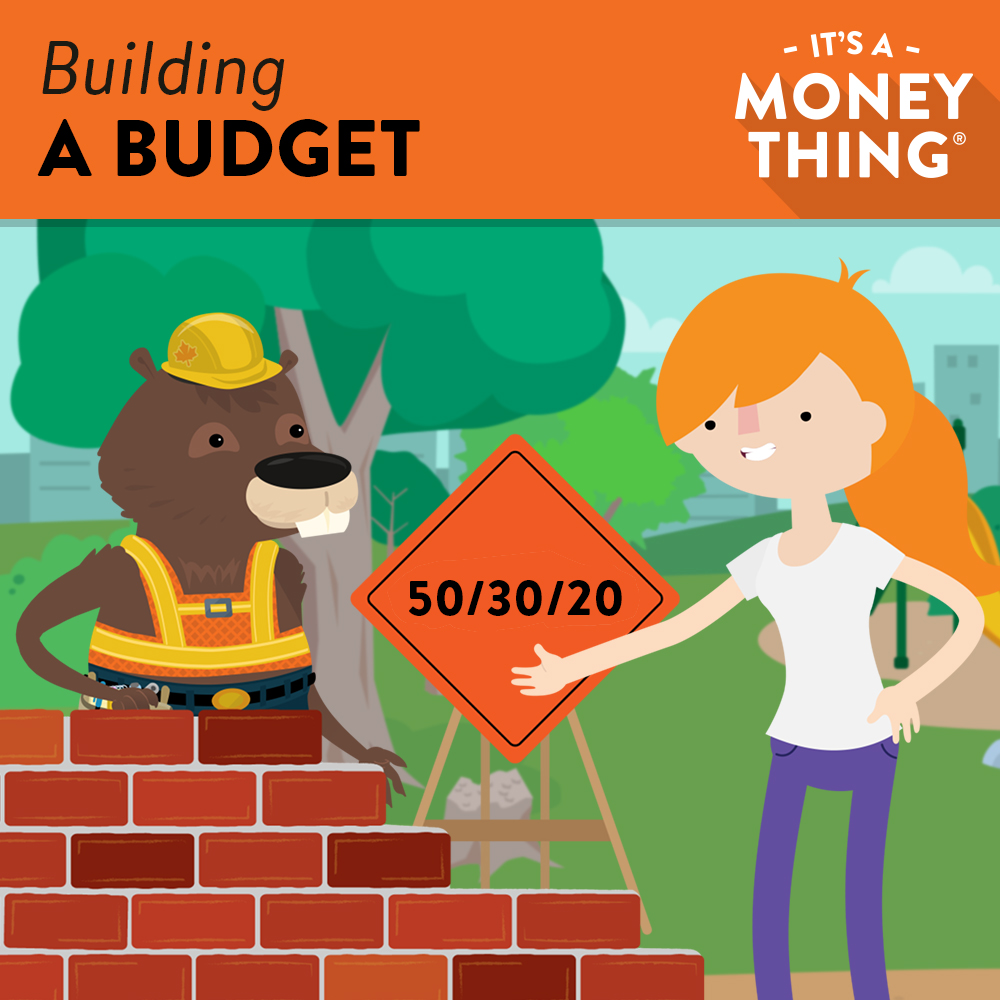
    Building a Budget

    Budgeting is a skill that helps you make smart decisions with your money. It ensures that you’re spending less than you earn, it prepares you for life’s curveballs, and it funds your goals and your dreams.

    In this guide, we’ll be using the 50/30/20 budget as a starting point. It is a widely adopted effective intro to budgeting.

    Paying for Pets

    Canadian pet owners spent an estimated $8.23 billion on pets, food, supplies, medical care and pet services in 2017, according to Statistics Canada.

    We’ve outlined three categories of “hidden” expenses in the following guide. Though we’ve written this guide with dogs & cats in mind, similar expenses exist for other pets. 

    Avoiding Lifestyle Creep

    Have you ever caught yourself daydreaming about all of the amazing lifestyle changes that await you just beyond your next pay raise?

    The good news is that protecting yourself from lifestyle creep is not that hard to do, once you spot it. We’ve rounded up five ways you can counter lifestyle creep.

    Responding to Financial Emergencies

    The COVID-19 pandemic is a sobering reminder that financial challenges come in all shapes and sizes.

    Although there isn’t a one-size-fits-all solution to financial emergencies, there are steps you can take that will minimize damage. Learn the steps for when you're confronted with a financial emergency

    Navigating Income Loss

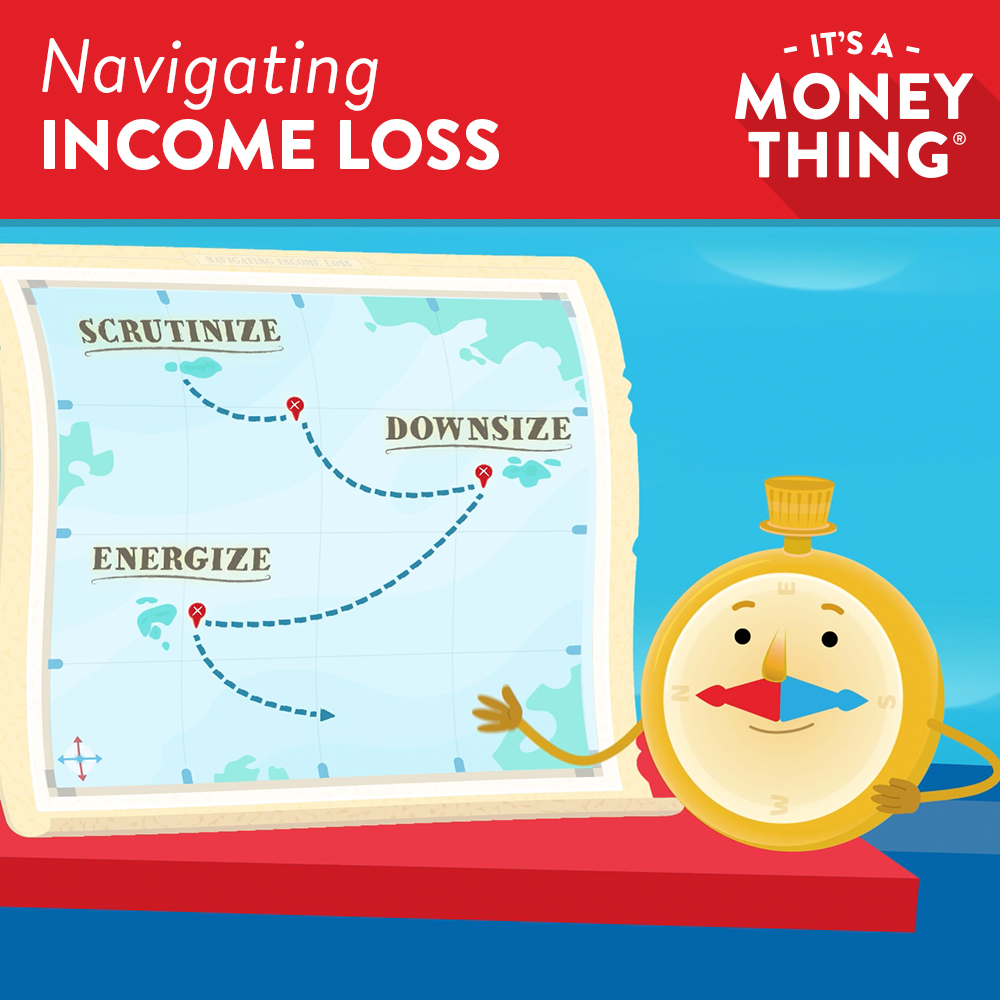
    Losing your job is stressful. Even with an emergency fund in place, it doesn’t take very long to feel the financial impact of a sudden loss of income.

    In order to reduce stress and stay motivated, make sure that your income loss recovery plan addresses the financial and non-financial aspects with these tips.